


Tel:
+86 15712666272
Add:
South-east Industrial Zone, Songmen Town, Wenling City, Zhejiang Province, China


In our last installment, we explored the fundamental principles behind rotational molding — no high pressure, almost zero waste, just a simple and efficient process that has established itself firmly in the world of hollow plastic products. If the science we covered is the skeleton of rotomolding, then what we’re diving into today — its application areas — is the lifeblood that keeps it moving.
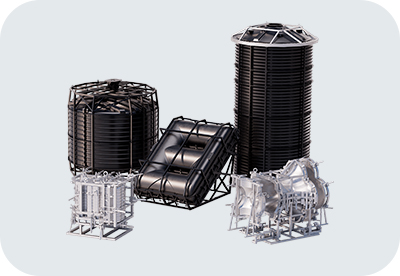
From large outdoor water tanks and septic tanks to small playground equipment and agricultural parts, many hollow plastic products owe their existence to an unsung yet highly effective technology — rotational molding (commonly called rotomolding).


Our feature in We Roll Magazine is now live! We’re grateful for the opportunity to share Rising Sun Rotomolding Machinery ’s journey, our perspective on industry trends, and our approach to sustainability in #rotationalmolding.

We’re excited to share that the very first issue of WeRoll magazine has officially been published — and Rising Sun Rotomolding is honored to be featured!

Ricky stood in his factory, staring at a row of rotomoulded products. Some were in good condition, smoothly trimmed parting lines, even wall thickness, consistent colour shade — but others bore telltale flaws: blowholes, warping, and excessive surface porosity. He inwardly sighed. His business had grown steadily over the years, but as demand increased, so did the pressure to deliver on time with consistent quality. The occasional defects were costing him time, money, and sometimes customers.





 浙公网安备 33108102000897号